High-Precision Roughness Measurement Instruments for Industry and Research
In the field of surface metrology, high-precision roughness measurement instruments are a key factor for quality control and process reliability. The demands on modern manufacturing processes are increasing, and the specification of surface structures is becoming more complex. GBS Metrology offers solutions based on optical 3D measurement technology that can be seamlessly integrated into production lines and laboratories.

The Importance of Modern Surface Measurement
The analysis of surface roughness is at the core of numerous manufacturing and research processes. Surface parameters such as Ra or Rz determine the functionality and service life of components. In medical technology, the automotive industry, or semiconductor manufacturing, measurement results determine the approval of individual batches.
Compliance with international standards such as ISO EN 21920 is the foundation for reproducible quality control. Roughness measuring instruments provide objective, reliable data for the evaluation and documentation of surface structures.
Overview of GBS Roughness Measurement Instruments
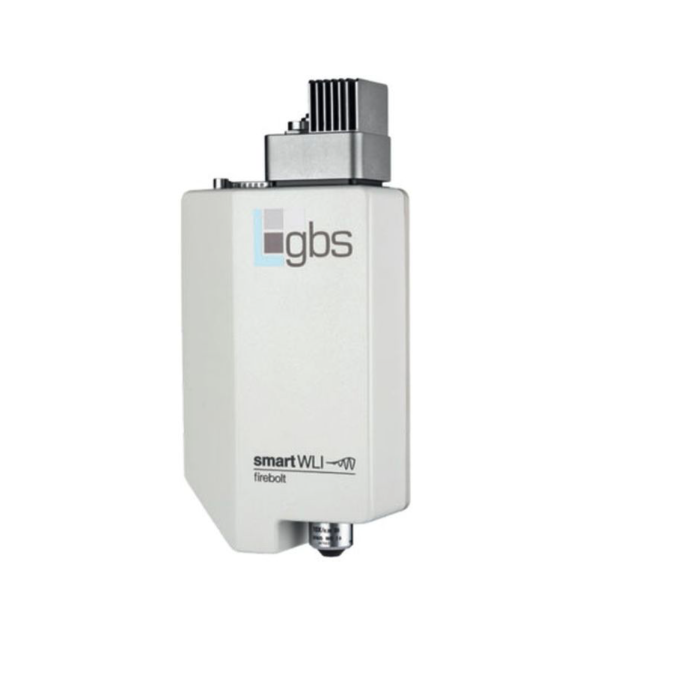
For the precise acquisition and evaluation of surface roughness, GBS Metrology offers a wide range of roughness measurement instruments based on the principle of coherence scanning interferometry. The selection of the appropriate solution depends on the measurement task, sample size, and integration requirements. The measurement systems presented below are specifically optimized for roughness measurement.
This high-speed sensor is specifically designed for use in production environments. It operates with a 10GigE camera and delivers up to eight million measurement points per scan. This makes the device particularly suitable for fast, large-area roughness measurements with high resolution.
With a motorized objective turret and a high-speed 10GigE camera, this system offers high flexibility and is optimized for universal measurement stations in research and development. Different surfaces can be measured quickly and precisely.
The optical 3D profiler provides sub-nanometer topography reproducibility. A motorized 3-axis stand enables the measurement of samples up to 300 × 300 × 100 mm³. Automated scans and evaluation with MountainsMap ensure efficient, repeatable roughness analyses.
The profilometer for laboratories and development is operated manually or optionally with motorization. It supports quick objective changes and is designed for a wide range of surface measurements, with the exception of highly polished optical and semiconductor surfaces.
This system combines the high measurement speed of a 10GigE camera with suitability for production lines. The robust architecture and integration options make it a solution for demanding inline and nearline roughness measurements.
A compact high-performance sensor for repeated measurements of similar samples. The sensor is equipped with a manually interchangeable objective and is particularly suitable for tasks with constant requirements for lateral resolution.
The sensor for highest detail resolution operates with blue LED illumination and a 5 MP camera. Structures with lateral dimensions down to 0.4 µm and spatial sampling of up to 0.03 µm enable the analysis of the finest surface characteristics.
This entry-level model features an integrated 5 mm axis for automated rapid focusing and is suitable for automated measurement cycles in production lines. Operation and integration are facilitated by the included SDK.
The manual turret and the 400 µm piezo actuator enable the measurement of extremely smooth surfaces. The system is flexible in use, both as a standalone device and for customized measurement stations.
A high-end sensor with a motorized turret and piezo scanner that can be configured with various cameras. Adaptability to specific requirements and maximum precision are the primary focus.
This system is specialized for the measurement and roughness analysis of cylinder bores. It is individually configured and can be expanded with dedicated software modules.
Our Product Highlights
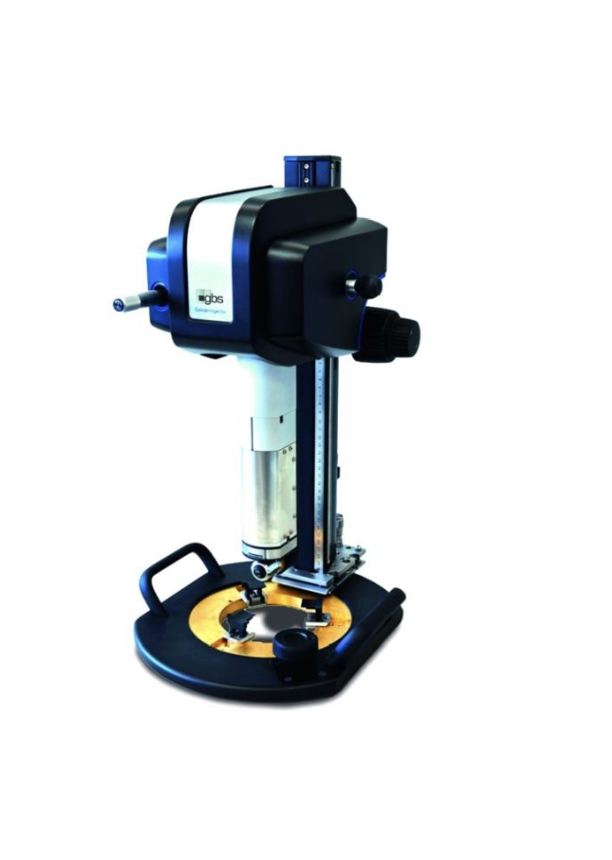
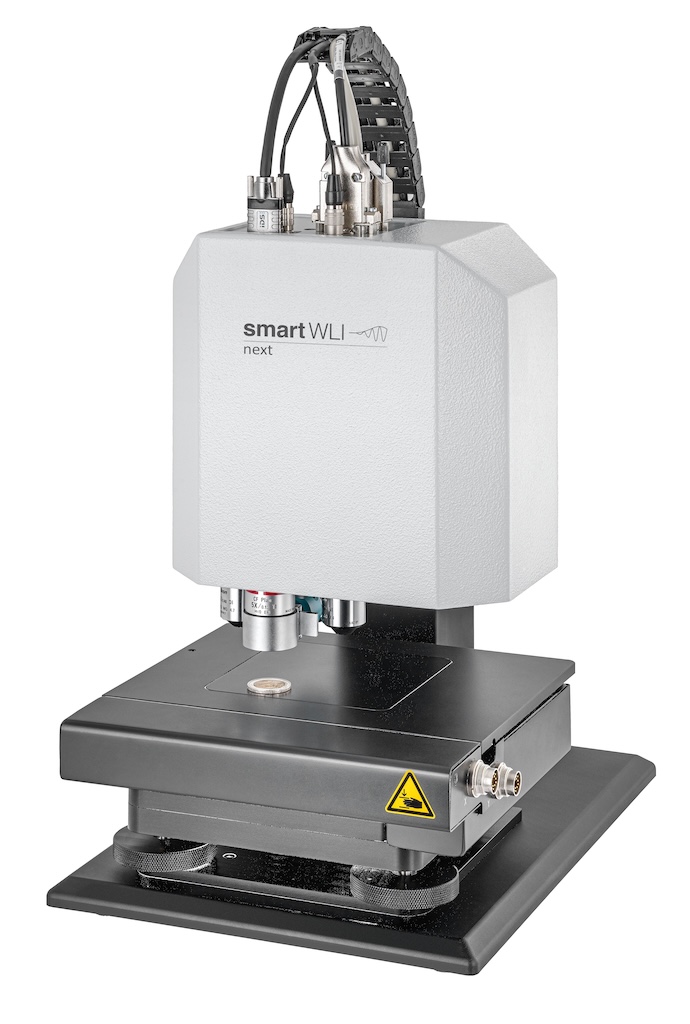


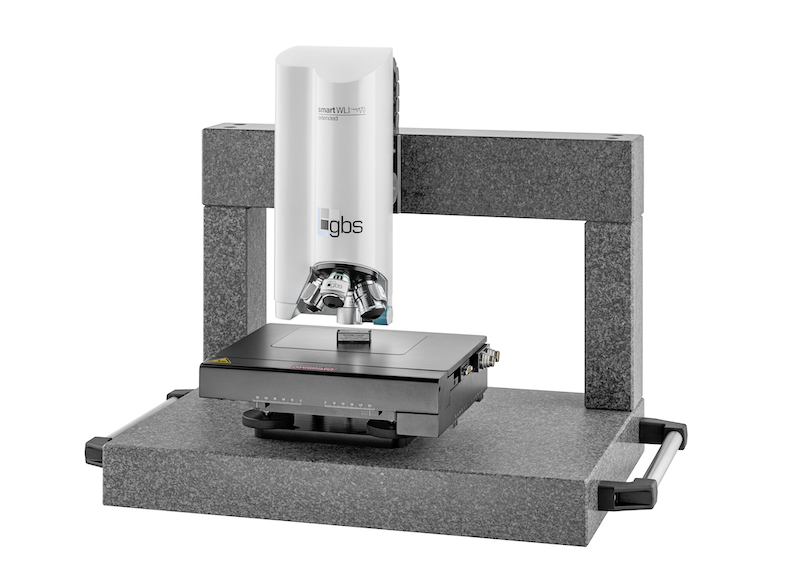
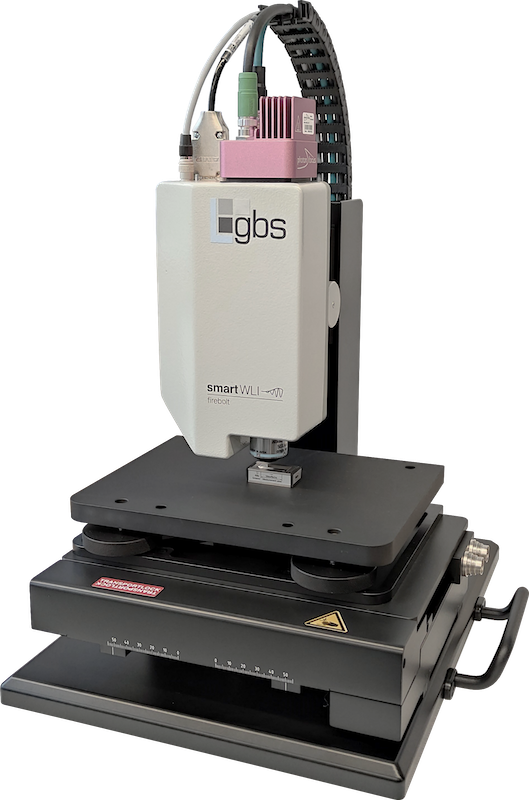
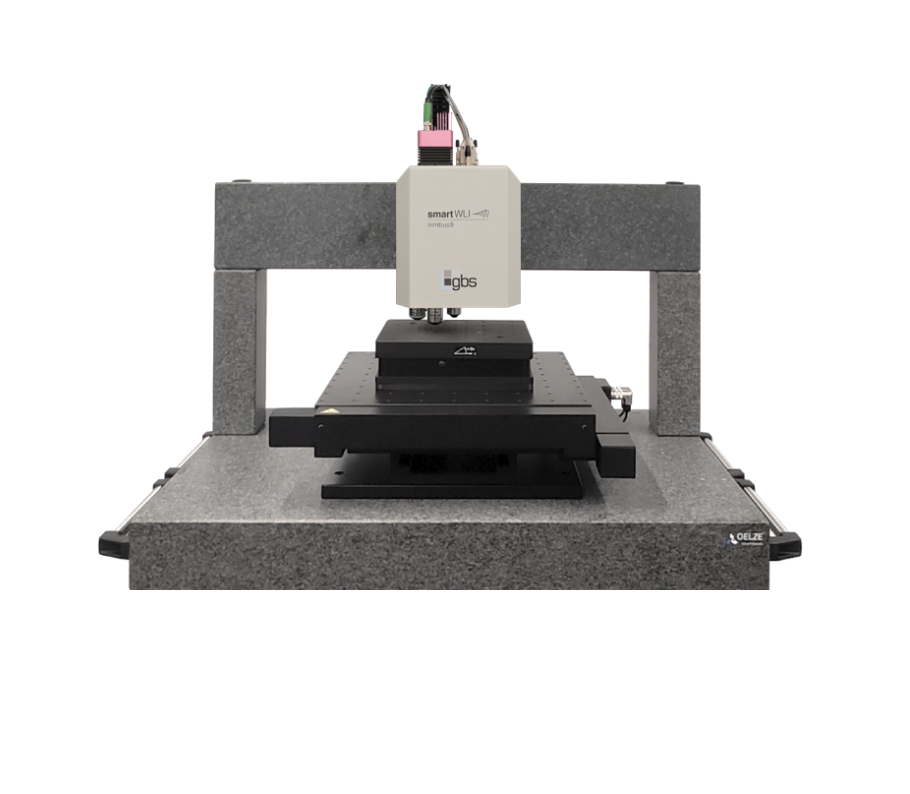
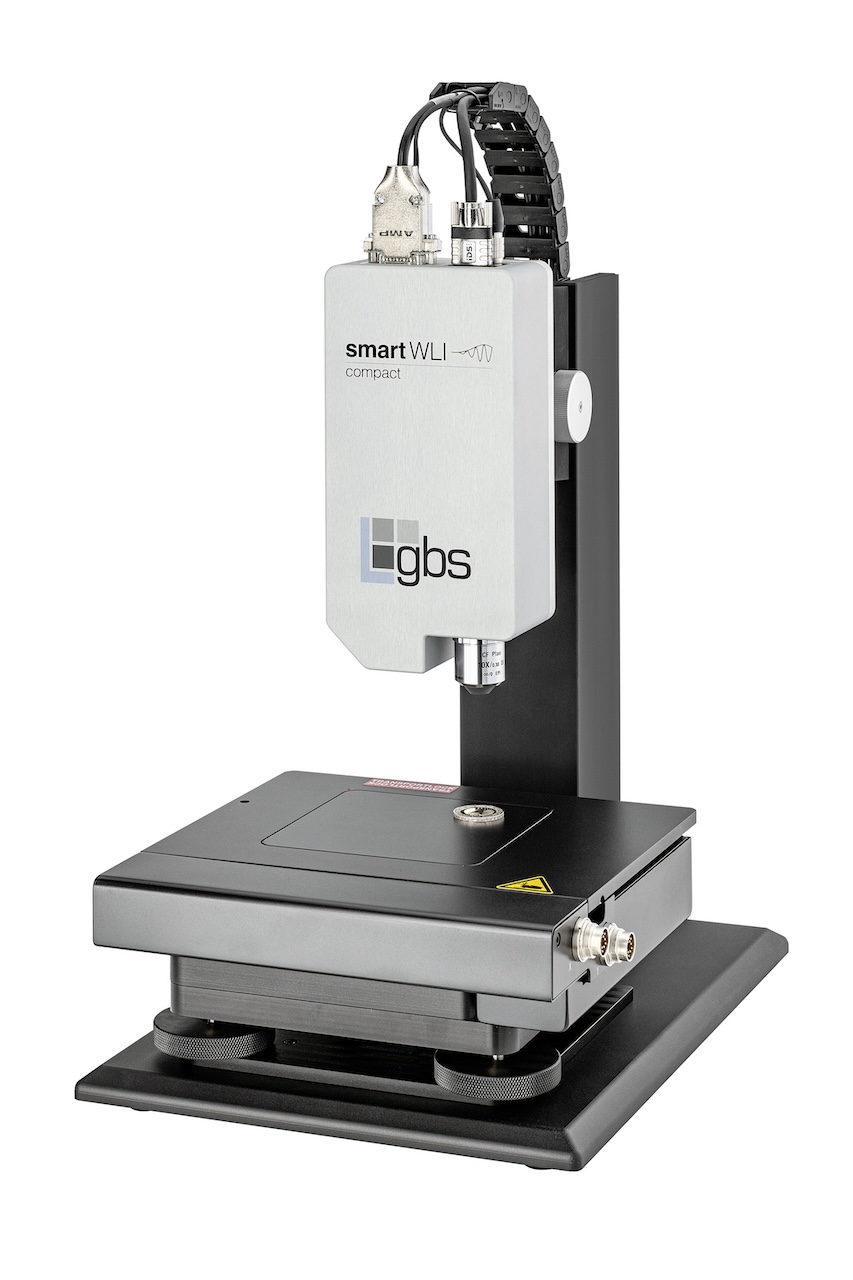
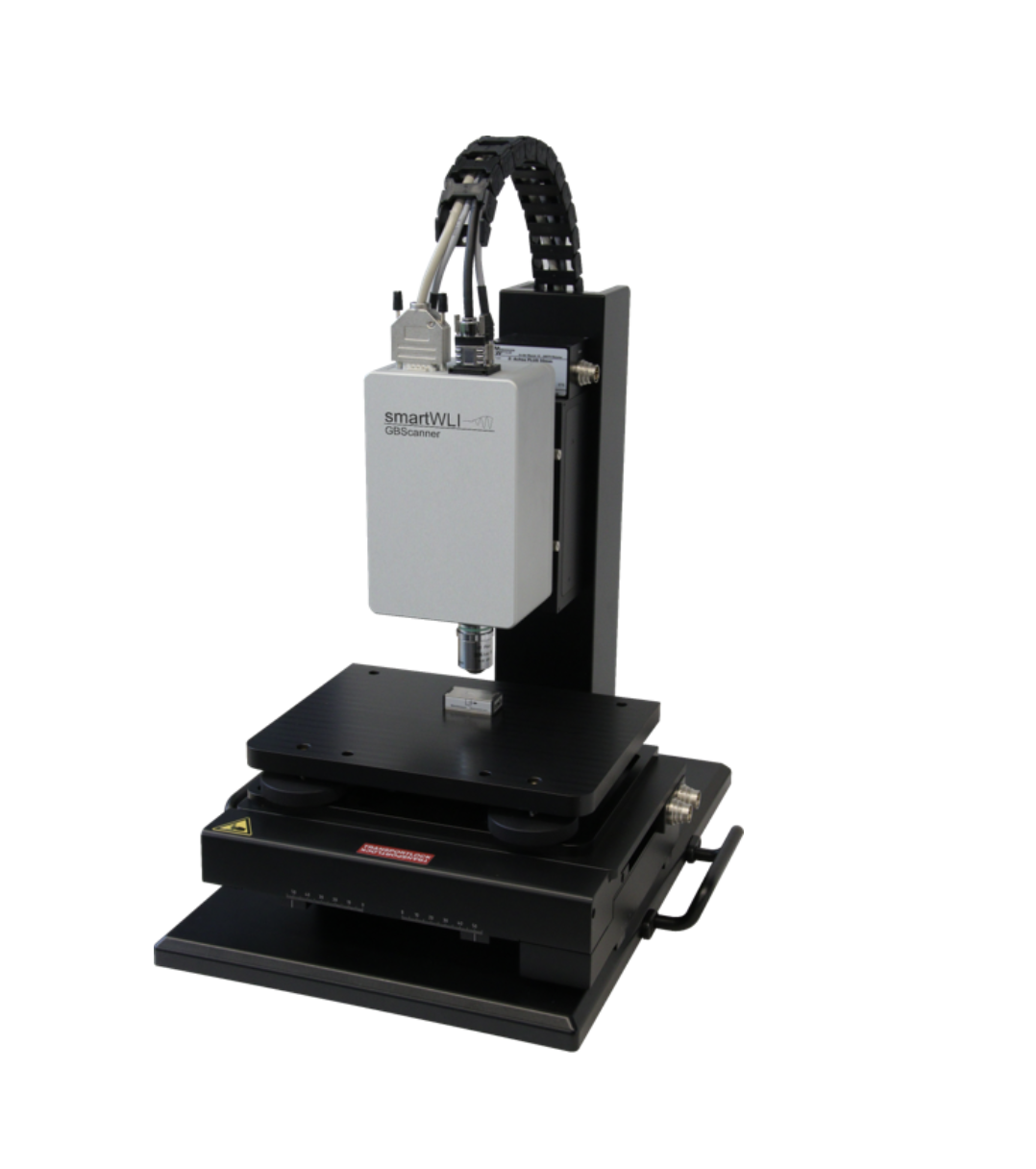
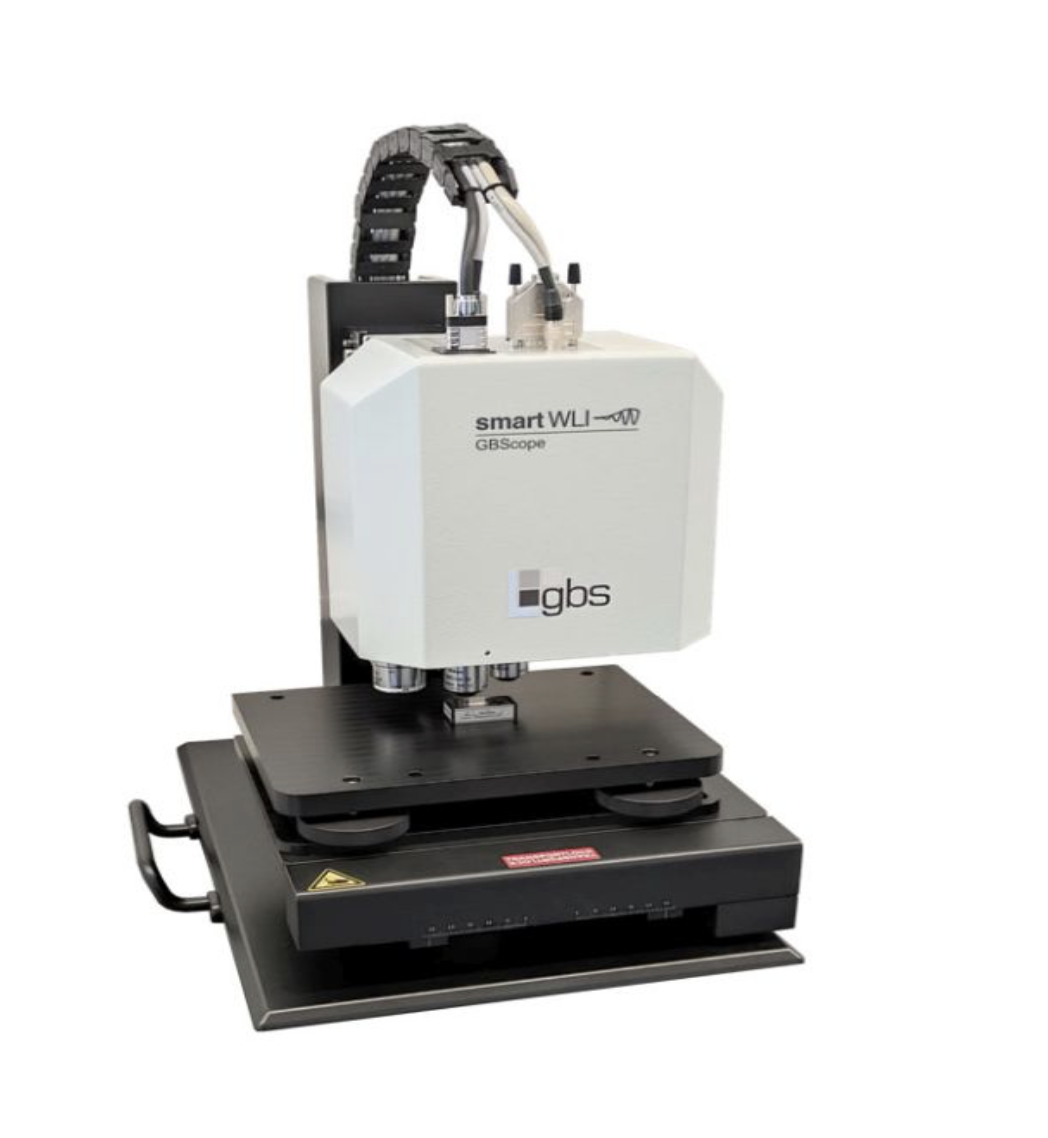
smartWLI GBScope
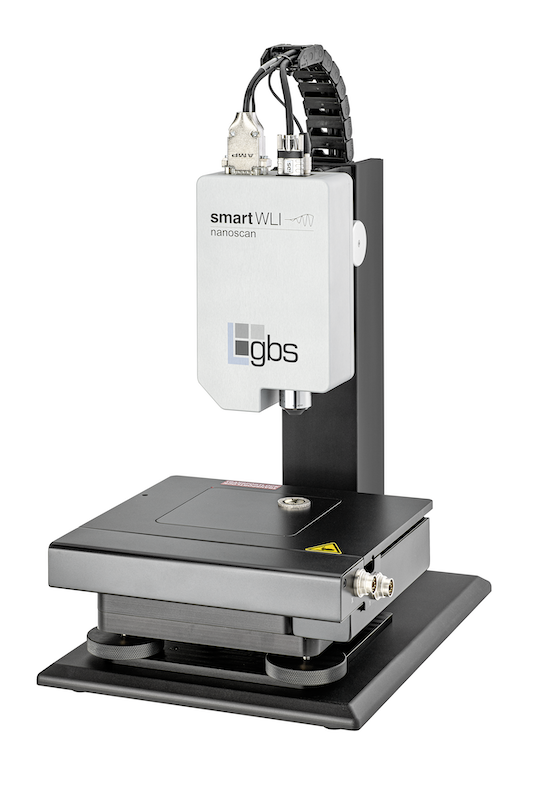
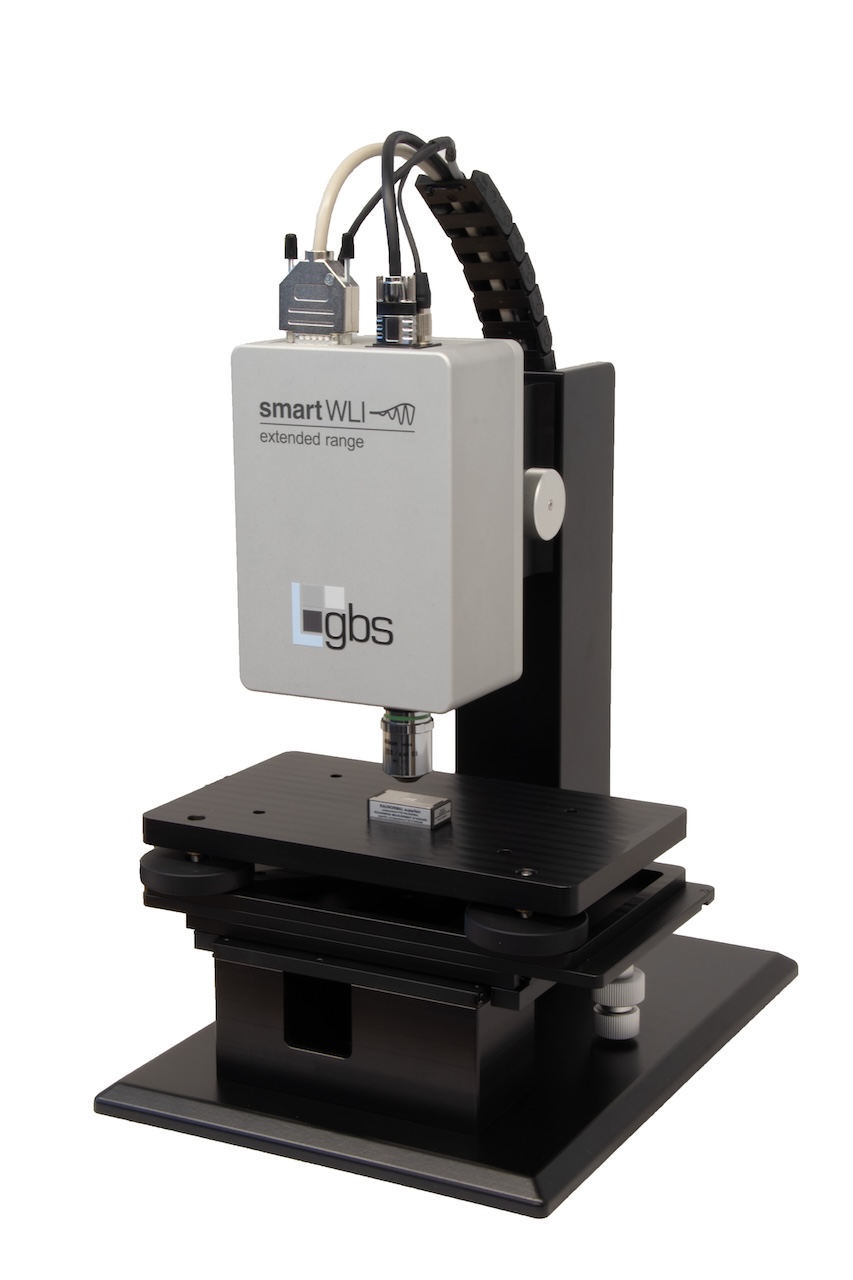
Technology and Applications of Modern Roughness Measurement Instruments
-
High lateral and vertical resolution through coherence scanning interferometry
-
Very short measurement times thanks to parallel data processing on GPGPUs
-
Precise capture of highly inclined and complex surfaces
-
Automatic outlier detection and data quality control (Advanced Quality Control)
-
Easy integration into production lines and automated measurement stations
-
Wide range of applications for various materials and geometries
-
Compatibility with powerful analysis software (e.g., MountainsMap®)
-
Modular design and flexible system configuration

GBS Metrology’s roughness measurement instruments are based on coherence scanning interferometry, a technology that provides high lateral and vertical resolution. Massive parallel image processing on GPGPUs ensures short measurement times, while Advanced Quality Control eliminates measurement outliers.
Thanks to the software development kit (SDK), the sensors can be easily integrated into automated production processes and measurement stations. The systems are used in series production, research, and development and are suitable for inspecting metals, semiconductors, polished surfaces, and additively manufactured components.
They capture surface structures on tool edges, cylinder bores, or wafers and provide reliable data for quality control and process monitoring, regardless of material or surface geometry.
GBS – Your Partner for High-Quality Roughness Measurement Instruments
GBS Metrology offers a comprehensive portfolio of roughness measurement instruments for precise and efficient surface analyses in industry and research. The modular systems can be flexibly adapted to individual measurement tasks and integrate seamlessly into existing production processes. With state-of-the-art technology and reliable service, GBS is the go-to partner for demanding roughness measurement.