Interferometry: Metrology for Precise Surface Analysis
Fundamentals of Optical Measurement Methods
The physical principle of interferometry is based on the superposition of light waves. When two light waves meet, interference patterns are created, from which height information can be derived. Various methods, such as white-light interferometry or laser interferometry, enable the measurement of structures at the nanometer scale.
The measurement is performed without contact, so even sensitive samples are not damaged. In addition to interferometry, other methods such as confocal microscopy or focus variation are used in metrology, although these techniques are limited in achieving highly detailed height resolution.
Interferometric surface analysis in practice
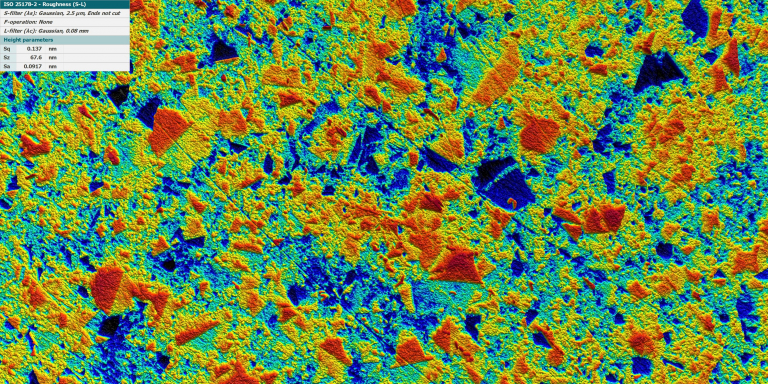
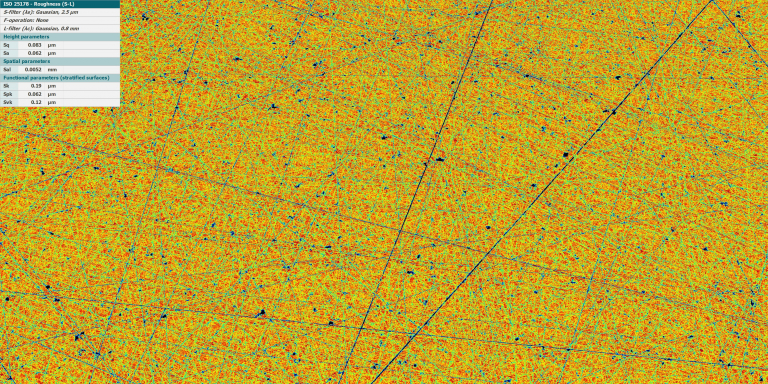
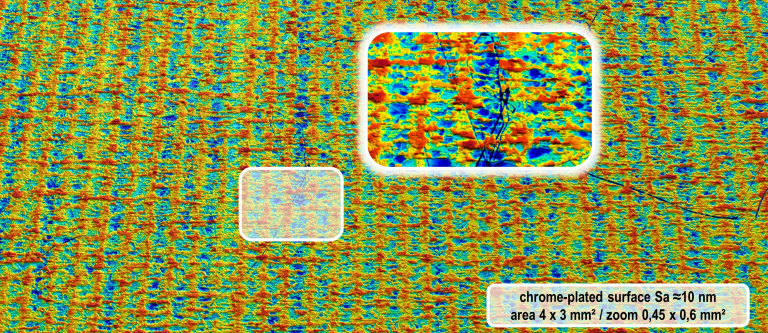
In production processes and research laboratories, precise surface measurements are conducted daily. Interferometric metrology is used to analyze semiconductor wafers, metallic surfaces, optical components, and additively manufactured parts.
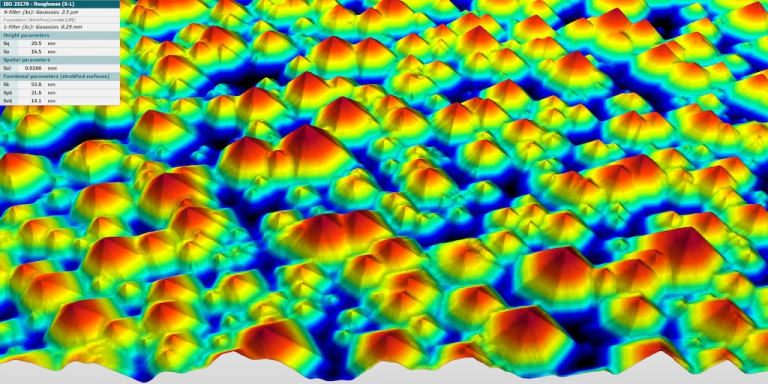
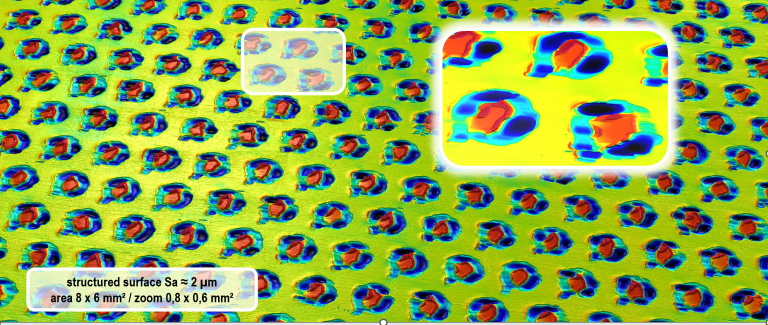
Applications range from inspecting polished steels and coated aluminum parts to evaluating surface structures on microlens arrays or cutting edges. In the automotive, medical technology, and microelectronics industries, interferometric metrology is a key tool for maintaining high-quality standards.
In summary:
-
Interferometry is used in production, research, and quality assurance
-
The analysis covers a wide variety of materials and surface types, from polished metals to microlens arrays
Technological advancements in optical metrology
Modern interferometric metrology utilizes high-speed cameras and parallel image processing on GPGPUs. This allows large data sets to be processed in real time, significantly reducing measurement times. Integration into production lines and the automation of measurement workflows are key trends.
Software solutions such as smartVIS3D and MountainsMap® support the evaluation and documentation of measurement data. Systems like the smartWLI series from GBS metrology GmbH offer a range of sensors and profilers that can be flexibly used in laboratories or directly in production.
Advantages of Non-Contact Interferometry
Interferometric metrology measures surfaces without contact and without causing damage. The method provides high resolution both vertically and laterally. Measurements are reproducible and capture even the smallest deviations.
The technology is flexible, as it can be adapted to different tasks using various objectives. In production environments, robust housings and fast data processing ensure stable results even under vibrations or changing ambient conditions.
Key Points at a Glance:
-
Measurements are non-contact and do not damage the sample
-
High flexibility through various objective options and customizable systems
-
Precise results even under challenging production conditions
Challenges and Solutions in Surface Measurement
Measurement errors in optical methods can arise from external influences such as vibrations, temperature fluctuations, or reflections. Systems from the smartWLI series use quality control features like AQC to detect and eliminate outliers in the measurement signal at an early stage.
The combination of granite portals, vibration damping, short measurement times, and automatic calibration minimizes environmental influences. For measuring extremely smooth or steep surfaces, systems with piezo positioning and high-resolution objectives are available.
Industrial Application Examples
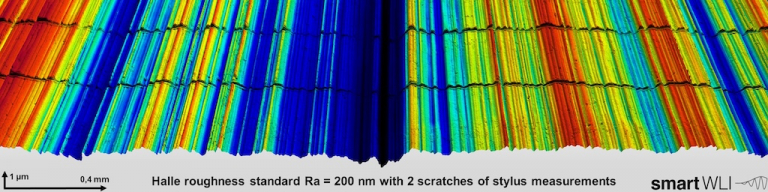
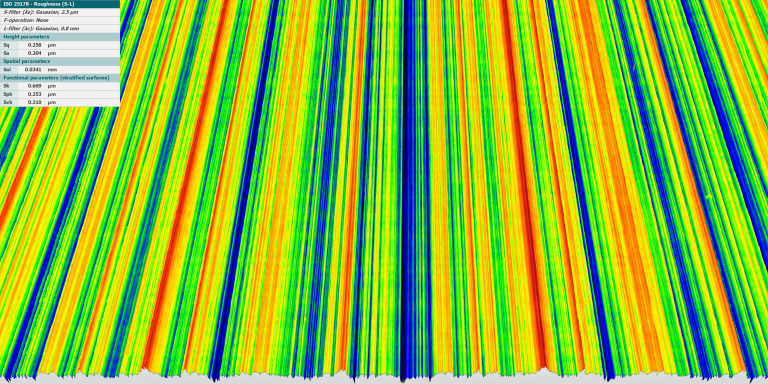
Interferometric metrology is used for checking roughness standards and for calibration, for example with certified standards such as MAHR MSS3 or HALLE KNT. Polished steel surfaces, wafers, additively manufactured parts, and coated aluminum surfaces can be reliably evaluated.
In cylinder inspections, specially developed systems like the smartWLI Cylinderinspector3D are used. With the MountainsMap® software, wear tests and analyses of honing structures can be conveniently evaluated.
System Solutions from GBS
The smartWLI series includes sensors tailored for different tasks: smartWLI firebolt and nimbus8 for high-speed, high-resolution measurements; smartWLI compact for compact, versatile applications; and smartWLI next with a motorized objective turret. All systems offer interfaces for integration into production lines and provide data for advanced analysis in MountainsMap®. The SDK allows connection to custom evaluation or automation solutions.
The GBScanner and GBScope are designed for laboratory and research applications. These systems feature a modular design for flexible configuration.
Take advantage of modern interferometric metrology!
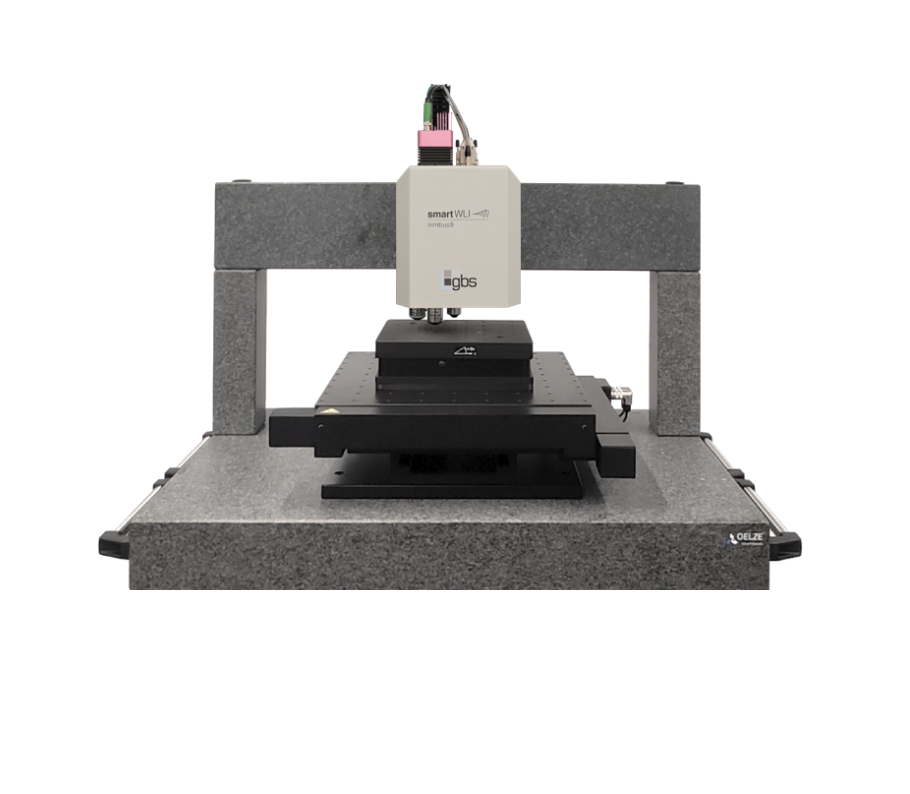
Discover the powerful solutions from GBS metrology GmbH for precise and efficient surface measurements. Our smartWLI series and customized systems offer you the highest measurement accuracy, flexible integration, and modern software support—whether in the laboratory, in production, or for demanding research tasks. Get personalized advice or request a free test measurement service.
FAQ
Interferometric metrology is contactless and achieves extremely high vertical resolution at the nanometer scale. It is particularly suited for analyzing the finest surface structures, where conventional methods such as confocal microscopy reach their limits.
Yes, the GBS smartWLI series is modular and offers interfaces for seamless integration into existing manufacturing facilities. The SDK allows for customized adaptation to specific automation solutions.
The systems are suitable for a wide range of materials and structures, including metals, semiconductors, optical components, and 3D-printed parts. Even extremely smooth, polished, or structured surfaces can be measured reliably and precisely.
Discover more news about GBS
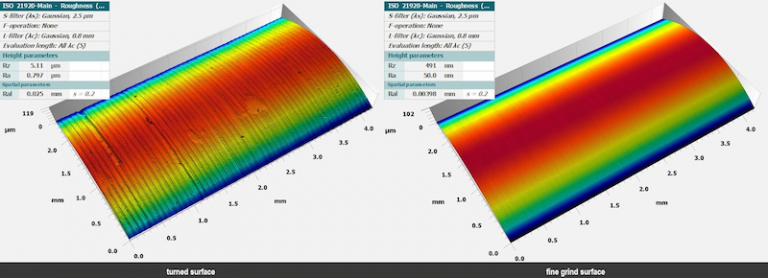
Optical profilometry has advanced rapidly in recent years. While it was once primarily evaluated by how well it…
Read more