How Contactless Measurement Improves Industrial Processes
- Contactless measurement captures surfaces and geometries without physical contact
- Used in industry, research, quality control, and development
- Optical methods such as white-light interferometry enable high precision
- No damage to the sample, fast results, large measurement areas
- GBS offers proven solutions for a wide range of applications
Contactless measurement refers to the acquisition of surface and geometric data without directly touching the object being measured. This measurement technology is increasingly used in industrial manufacturing and research.
It provides an alternative to conventional mechanical tactile methods by capturing data quickly, precisely, and without influencing the material. The importance of this method is growing, as it enables efficient quality control and process optimization. This article explains the fundamentals, techniques, advantages, and application areas of contactless measurement.
Fundamentals of Contactless Measurement Technology
The development of contactless measurement technology dates back to the mid-20th century. Optical, acoustic, and electromagnetic principles form the basis of modern systems. Typical measured quantities include surface condition, roughness, shape, dimensions, and material properties.
Contactless measurement captures these characteristics with high speed and accuracy. The technology is used for sensitive, small, or hard-to-access components where conventional methods reach their limits.
Overview of the fundamentals of contactless measurement technology:
-
Physical principles such as light, sound, and magnetism form the basis
-
Typical measured quantities: surface, shape, roughness, dimensions
-
Application for sensitive or hard-to-access objects
Technological Methods in Contactless Measurement
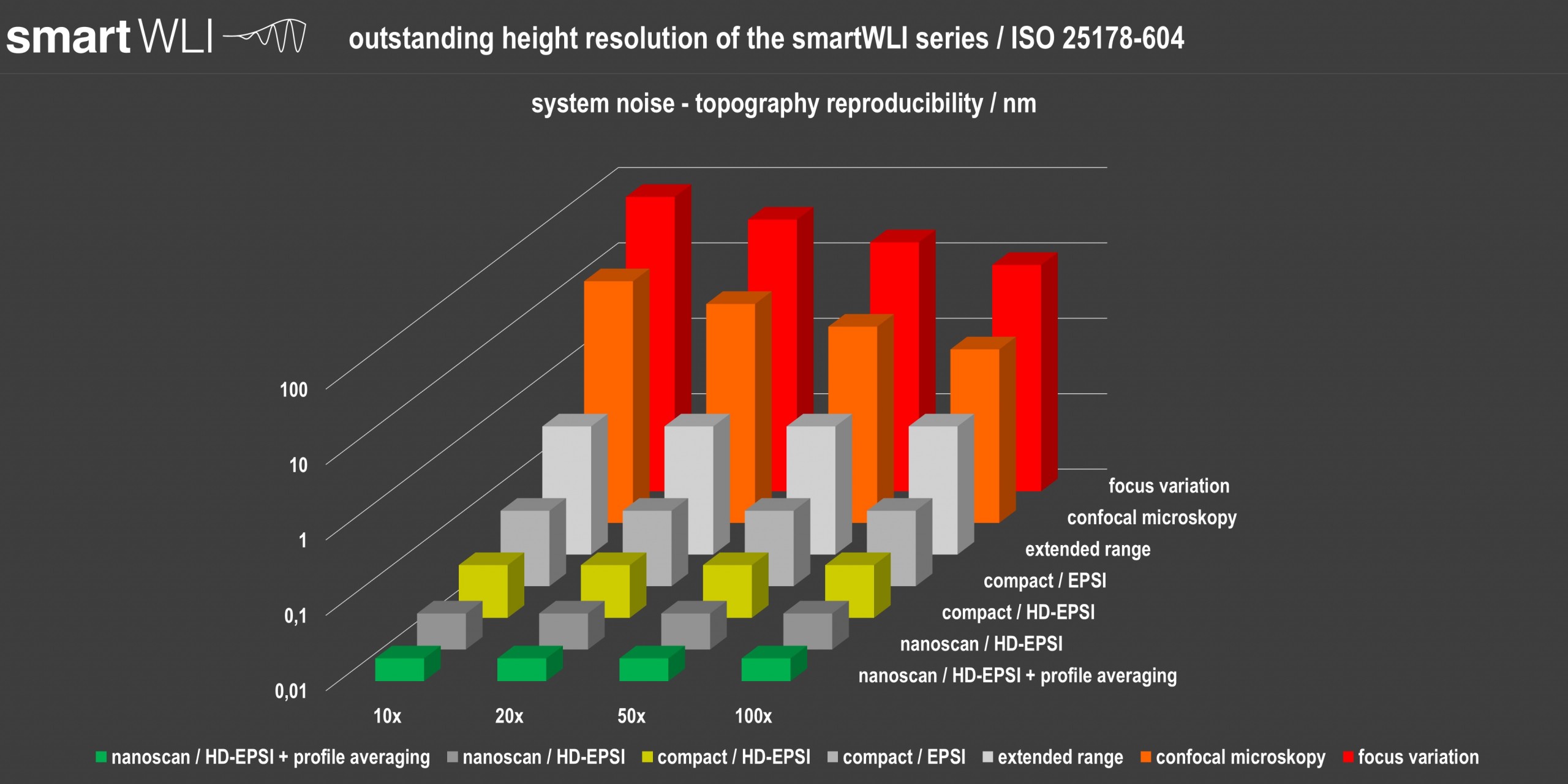
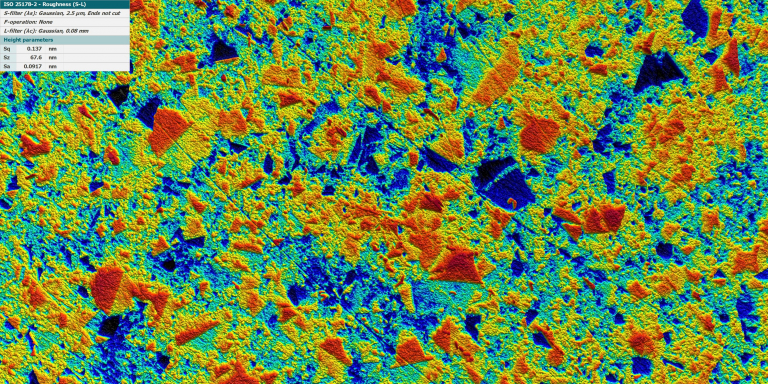
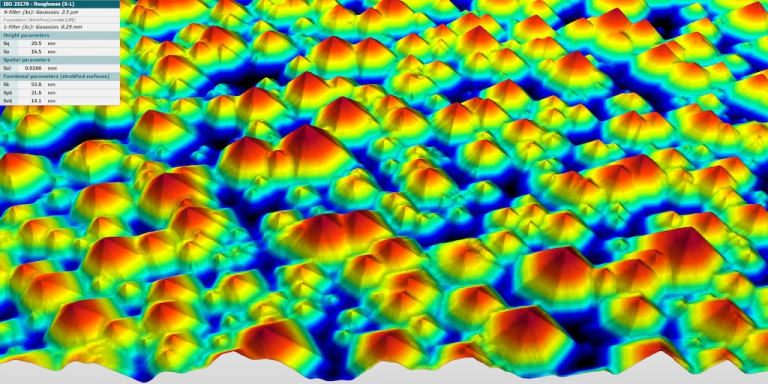
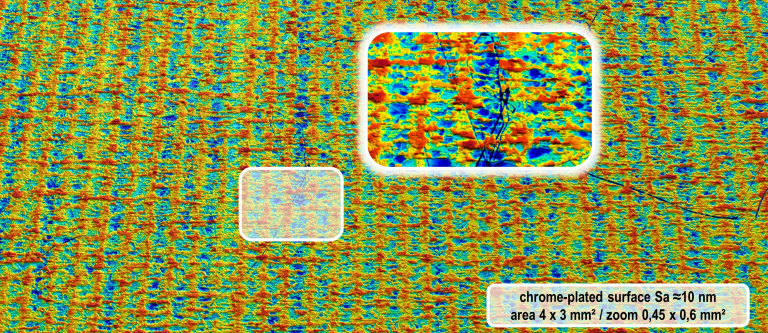
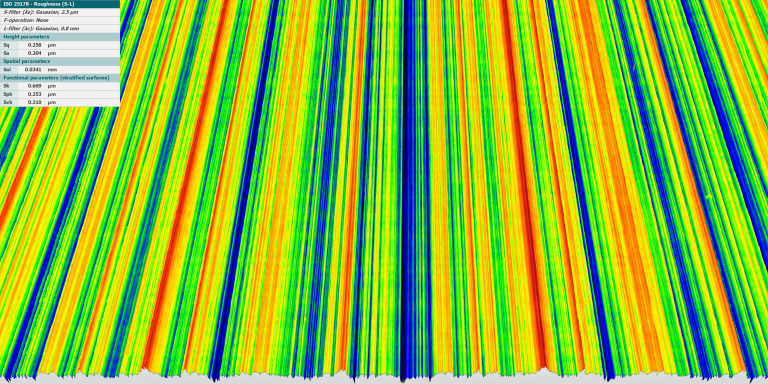
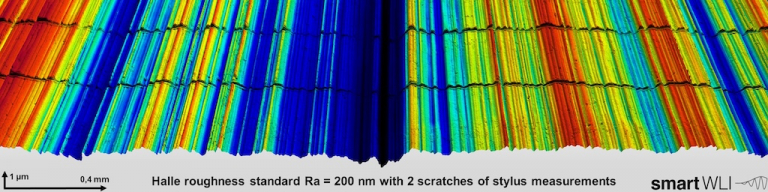
Optical measurement methods each offer specific strengths for different applications. White-light interferometryprovides the highest precision, especially for very smooth surfaces. Confocal microscopy excels in versatility and detail accuracy when analyzing microstructures.
Focus variation is considered a robust method, particularly suitable for measuring rough, technical surfaces. Laser triangulation and structured light projection enable the capture of shape and volume, even for complex geometries.
GBS’s smartWLI technology is based on white-light interferometry but combines the advantages of these various methods into a single measurement system. This enables applications that previously required multiple technologies while setting new standards in precision, versatility, and efficiency.
Advantages of Contactless Measurement Technology
The use of contactless measurement technology enables efficient and rapid data acquisition. There is no mechanical stress or deformation of the test specimen. The method allows measurement of sensitive, soft, or extremely hard materials.
Contactless measurement is used in automated manufacturing processes and enables the inspection of complex geometries as well as large surfaces. Advanced software solutions support evaluation and minimize measurement uncertainties.
Key Advantages:
-
No mechanical stress or deformation
-
Measurement of sensitive or hard materials
-
Fast results, even for large surfaces
-
Easy integration into automated processes
Application Areas for Contactless Measurement
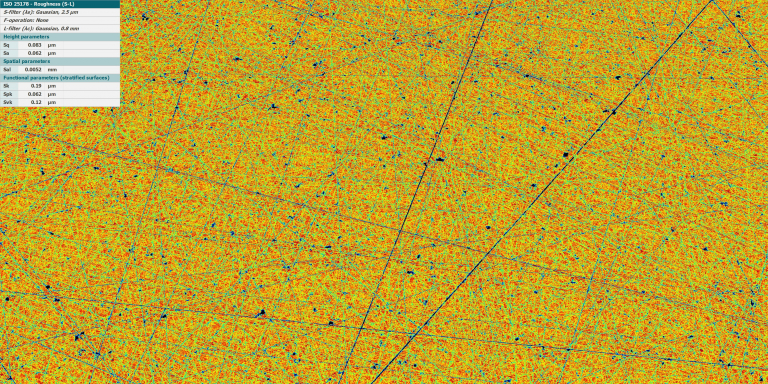
Contactless measurement is well established in quality control within industrial manufacturing. Research and development use the technology to analyze new materials and structures. In the semiconductor and electronics industries, it is applied to inspect the geometry of fine circuits and components.
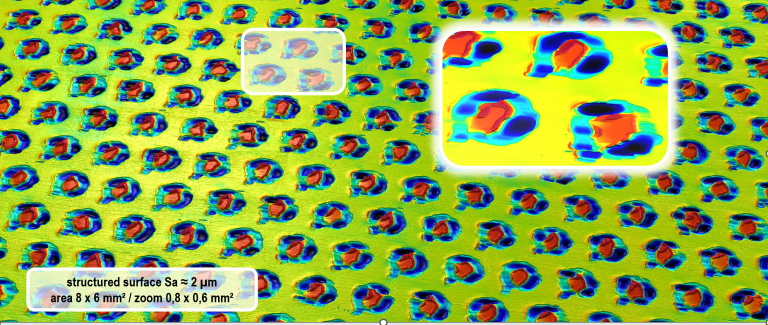
In automotive and aerospace applications, the shape and roughness of components are monitored. Tool and mold making benefits from the rapid inspection of complex surfaces. Additive manufacturing uses contactless measurement to check 3D-printed surfaces. The optics and glass industries analyze the properties of transparent and reflective materials.
Optical 3D Measurement Technology at GBS
GBS relies on white-light interferometry for surface analysis. Products like the smartWLI series enable contactless measurement of micro- and nanostructures with high resolution and speed. The systems can be integrated into production lines and laboratories, reliably handling measurement tasks such as inspecting cutting tools, wafers, cylinder bores, or optical components.
The combination of powerful sensors and software ensures reproducible results. Automated evaluations with MountainsMap further enhance efficiency in the measurement process.
Challenges and Limitations of Contactless Measurement Technology
Material properties such as high reflectivity, transparency, or low absorption can affect measurement accuracy. Environmental conditions, including vibrations or temperature fluctuations, require adapted system solutions.
Traceability of measurements to international standards is ensured through certified calibration standards. For specialized applications, hybrid solutions combining optical and tactile measurement techniques can be employed.
Recommendations for Users
Contactless measurement offers a wide range of applications in industrial manufacturing and research. The choice of the appropriate measurement technology depends on the material, geometry, and process environment. Systems such as the smartWLI series from GBS Metrology GmbH deliver precise and fast measurement results.
Integration into production processes supports quality assurance and process optimization. For complex or new measurement tasks, a free test measurement is recommended to verify measurability. GBS offers this service at no cost.
Efficient Inspection: Get Expert Advice from GBS
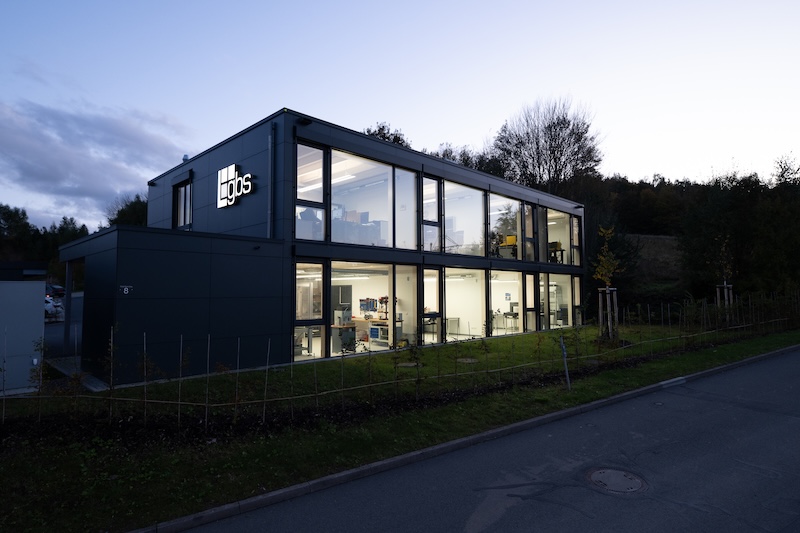
Leverage the Advantages of Contactless Measurement for Your Business
Take advantage of the proven technology from GBS. Our solutions provide precise measurement results, fast analysis times, and seamless integration into existing production processes. Receive personalized advice from our experts.
Download Materials
You can download a variable number of files. Select one or more files to download.
Contact our team!
FAQ
Contactless measurement enables fast and precise acquisition of surface data without damaging or affecting the component. This allows for efficient inspection of particularly sensitive or hard-to-access objects.
This measurement technology is widely used in industry, especially for quality assurance in manufacturing, in the semiconductor and electronics sectors, as well as in automotive and aerospace applications. Contactless solutions are also employed in research and development.
A wide variety of surface types can be measured, ranging from rough to highly polished and even transparent materials. The choice of the appropriate measurement method depends on the specific properties of the surface.
Discover more news about GBS
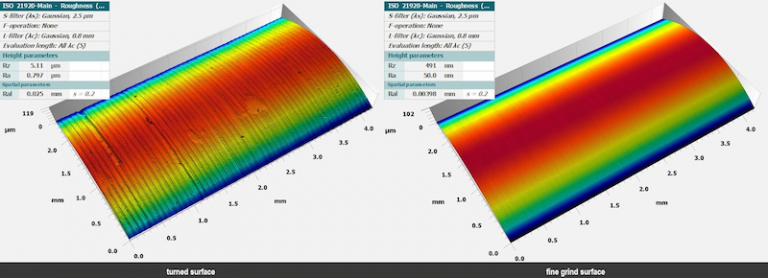
Optical profilometry has advanced rapidly in recent years. While it was once primarily evaluated by how well it…
Read more