Measurement System Analysis: How Companies Ensure Precise Results

- Measurement System Analysis (MSA) checks the reliability and accuracy of measurement systems
- Used in industries such as mechanical engineering, automotive, aerospace, and medical technology
- Focus on methods like Gage R&R, bias studies, and ANOVA
- Influencing factors: equipment, operator, environment, material
- Optimization through calibration, training, and digitalization
Measurement System Analysis (MSA) forms the foundation for stable and traceable measurement results in industrial manufacturing. Companies use this method to secure production processes and meet product quality requirements. In the manufacturing environment, MSA ensures that measurement results remain reproducible and traceable, and that measurement technology meets the ever-increasing demands of the market.
Fundamentals and Definitions
Measurement System Analysis (MSA) refers to the systematic evaluation of measurement systems regarding their performance and reliability. It differs from a full measurement process analysis, as it focuses specifically on the measurement device used rather than the entire process.
The development of MSA is closely linked to increasing automation and rising quality requirements over the past decades. Today, it is an integral part of standard quality assurance and certification processes, especially in the manufacturing industry.
Goals and Benefits of Measurement System Analysis
The purpose of a Measurement System Analysis (MSA) is to ensure the reliability and accuracy of measurement data. It examines whether a measurement system delivers the required precision and whether results are consistent across different operators. This allows both systematic and random errors to be identified and avoided. Consistent application of MSA reduces costs by lowering scrap rates and complies with standards such as ISO 9001, IATF 16949, and VDA 5.
Key Goals and Benefits:
-
Determine the performance capability of measurement systems
-
Identify and prevent measurement errors
-
Ensure comparability and traceability of measurement results
-
Comply with quality standards and regulatory requirements
Typical Applications of Measurement System Analysis (MSA)
Measurement system analyses are used across a wide range of industries. In mechanical engineering, they help monitor manufacturing tolerances, while in the automotive and aerospace sectors, they ensure material quality and component precision.
In semiconductor manufacturing and medical technology, MSA is an integral part of quality assurance. The requirements for measurement technology in these fields are particularly high, as even the smallest deviations can lead to significant downstream costs.
Measurement Criteria in Focus
The evaluation of a measurement system is based on the criteria of accuracy, repeatability, and reproducibility.
-
Accuracy describes the agreement between the measured value and the reference value.
-
Repeatability indicates whether a measurement system provides identical results when used multiple times under the same conditions.
-
Reproducibility examines whether different operators achieve comparable results using the same measurement system.
All three criteria are essential to ensure error-free data and maintain a stable process.
Methods and Procedures of Measurement System Analysis
Various methods are used to evaluate measurement systems:
-
Gage R&R Analysis examines repeatability and reproducibility, revealing whether measurement errors originate from the system or the operator.
-
ANOVA Analysis identifies systematic deviations in measurement results.
-
Bias and Linearity Studies detect and quantify systematic errors.
Additionally, the calculation of Cg and Cgk values provides information on the performance of a measurement system relative to the required tolerance. For qualitative characteristics, attribute-based methods and other analyses are applied as needed.
Factors Affecting Measurement Accuracy
Various factors influence the results of a measurement system analysis. Device-related deviations arise from the mechanical or electronic characteristics of the measurement system. Human operation can introduce variability if procedures are not standardized.
Environmental conditions, such as temperature or vibrations, affect the stability of the measurement. Variability in materials and components requires precise adaptation of the measurement strategy. All influencing factors are often illustrated using an Ishikawa diagram.
Practical Implementation of MSA
The implementation of a measurement system analysis (MSA) begins with selecting the appropriate method and detailed planning. Once the measurement setup is defined, data is collected through documented measurement series. Analyzing the data identifies sources of error and highlights opportunities for optimization.
The results are documented and serve as a basis for adjustments in production. Software solutions are helpful during implementation, supporting the evaluation and tracking of the measurement system analysis.
Optimization and Sustainable Quality Improvement
Continuous optimization of measurement systems is achieved through regular calibrations and adjustments of measurement strategies. Training personnel ensures reproducible procedures and reduces the influence of individual differences. Integrating measurement system analysis into continuous improvement processes ensures consistently reliable results over the long term.
Measurement System Analysis with Modern 3D and Optical Metrology
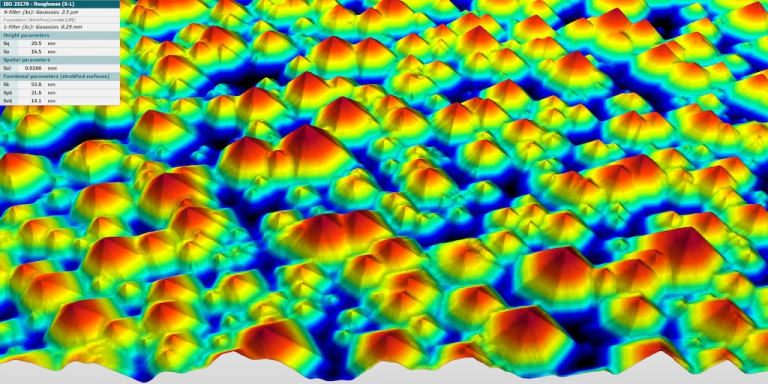
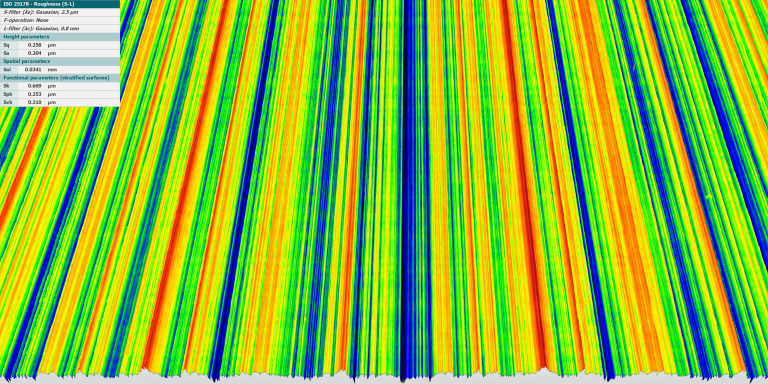
Optical measurement systems, such as 3D scanners, open up new possibilities for precise analysis of surfaces and structures. White-light interferometry and similar techniques allow the examination of micro- and nanostructures with high accuracy.
Modern systems are highly flexible and can be seamlessly integrated into existing production environments. In practice, these technologies are used to capture complex geometries and to automate quality assurance processes.
GBS Metrology – Your Partner for High-Precision Measurement Systems
Do you want to reliably secure your manufacturing processes and are looking for solutions that guarantee the highest precision and traceability? With GBS, you choose an experienced partner who will support you on the path to efficient production workflows.
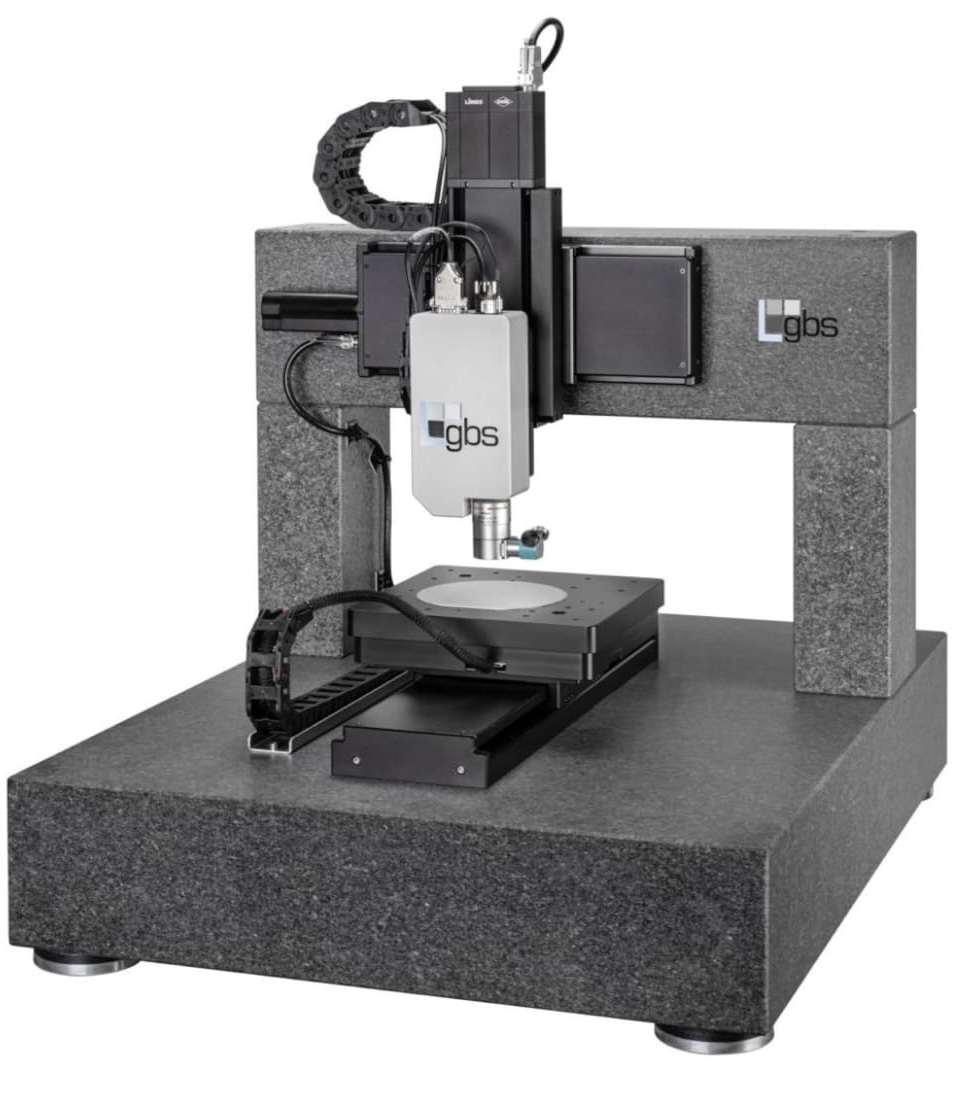
Our modern optical 3D measurement systems provide innovative technology for accurate, reproducible, and fully documented measurement results – and can be flexibly integrated into your existing processes.
Benefit from our comprehensive consulting: Together, we analyze your individual measurement tasks and develop a measurement concept that perfectly matches your quality requirements. From selecting the optimal system to integration and training your staff – we support you at every stage.
Arrange a non-binding consultation today and discover how you can take quality assurance to the next level with GBS. Secure your production with innovative measurement system analysis!
FAQ
A measurement system analysis (MSA) is recommended when introducing new measurement systems or after changes to the measurement process. Regular repetitions are also advisable to maintain consistent quality. This allows any changes or wear to be detected in time.
Cg and Cgk values assess the performance of a measurement system relative to the required tolerance. Cg measures the spread of the results, while Cgk additionally accounts for accuracy (bias). Both indicators help determine whether a measurement system is suitable for a given measurement task.
An increased standard deviation indicates excessive variation in the measurements. In this case, the measurement system, the measurement procedure, or environmental conditions should be checked. The goal is to identify and reduce the causes of variability.
Repeatability describes how consistently a measurement system produces the same results under identical conditions. Reproducibility indicates how similar the results are when measured by different operators or systems. Both metrics are essential for assessing the reliability and comparability of measurement data.
Without a measurement system analysis, measurement errors may go undetected, jeopardizing product quality. MSA ensures that results are reliable and traceable, reducing scrap, rework, and increasing process safety.
Discover more news about GBS
Optical profilometry has advanced rapidly in recent years. While it was once primarily evaluated by how well it…
Read more